Facilities management should never be a loose collection of tasks handled by different contractors with no coordination. Yet for many businesses, that’s exactly what it is. Cleaning is arranged separately from security. Fire safety checks are scheduled on an ad hoc basis. Maintenance is reactive. And waste often becomes an afterthought. When these services are provided by numerous contractors, things get missed, compliance suffers, and problems are only addressed once they’ve already caused disruption.
A good facilities management plan brings structure, consistency, and control. It connects essential services and makes sure your building is always safe, compliant, and ready to support the people who use it. Here are the five core areas that every facilities management plan must include and why treating them as part of one system makes all the difference:

Fire Safety
Fire safety is not just about meeting legal requirements. It’s about making sure your building is prepared to respond instantly and effectively if a fire breaks out. Too often, fire safety is reduced to paperwork, a risk assessment completed and stored somewhere, rarely revisited until an inspection is due. But compliance depends on action, not documentation.
Every fire risk assessment should lead to a schedule of work that’s actually carried out. Fire alarms need to be tested routinely, not just after a fault. Emergency lighting should be checked regularly to ensure it functions during power loss. Fire extinguishers must be installed in the right locations and serviced annually by a competent professional. Exit routes should always be clear, and fire doors must close fully and never be wedged open or blocked. These are not one-off tasks. They’re ongoing responsibilities that must be built into daily operations.
Security and Access Control
Security measures are often installed as a reaction to incidents, a break-in prompts a camera install, or an access control system is added after a security breach. But effective protection comes from planning, not panic.
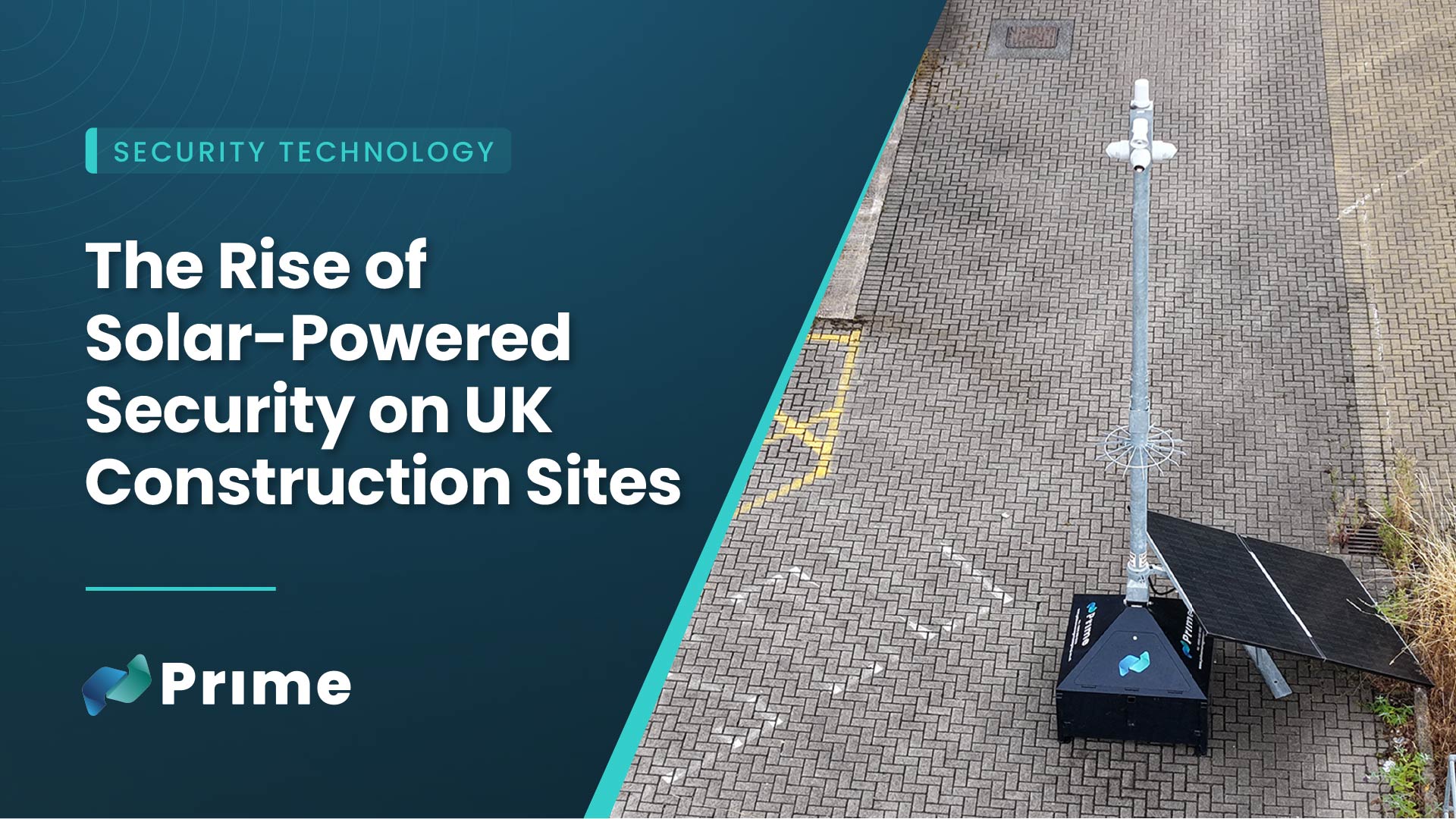
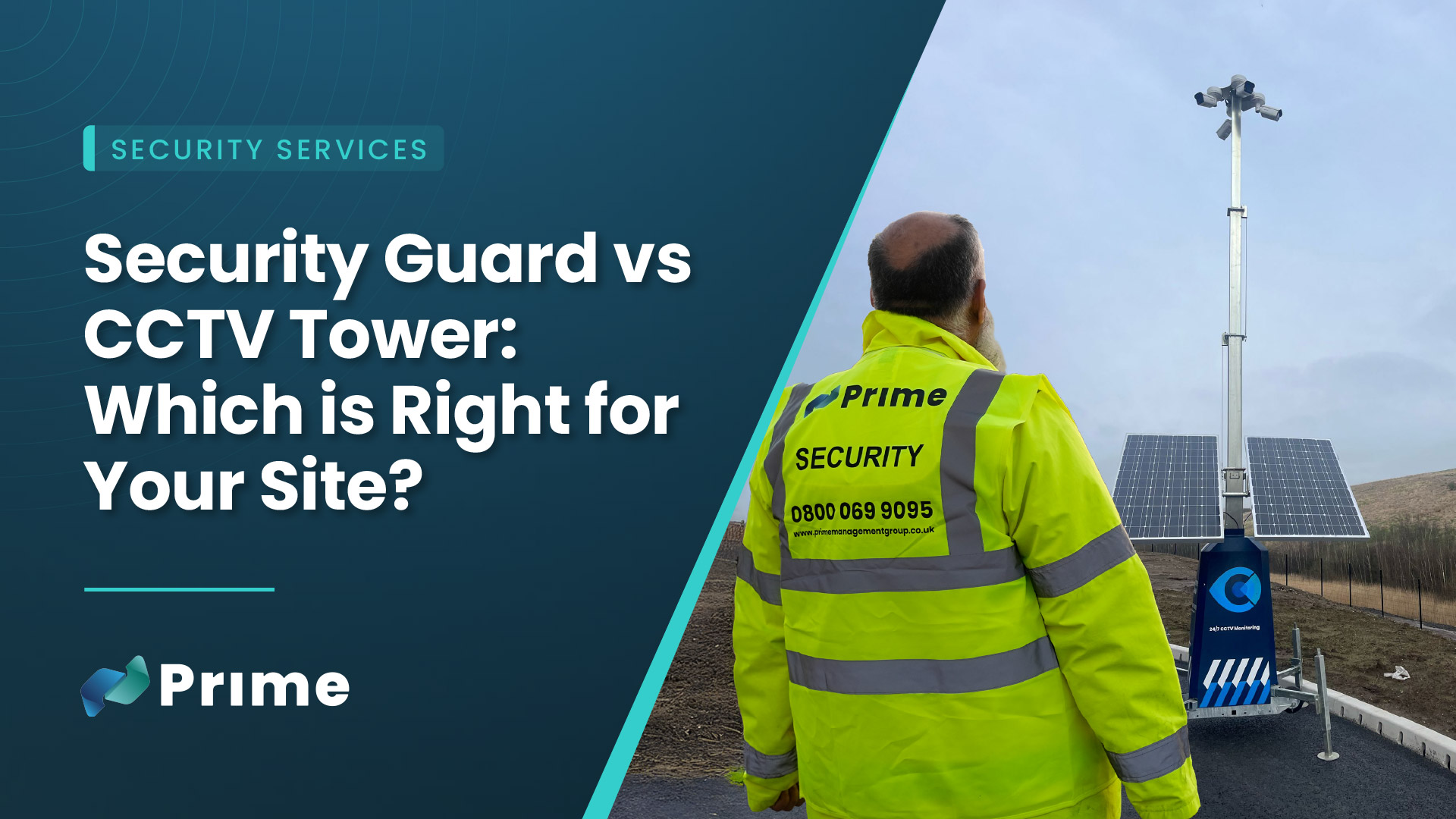
Security should be active and integrated. That means bringing together physical presence, technology, and monitoring in a way that suits the risks your site faces. For some properties, visible manned guarding offers the strongest deterrent. For others, it may be a case of combining access control systems with monitored CCTV to ensure only authorised personnel enter sensitive areas and that activity is recorded around the clock.
But these systems only work when they’re reliable. There’s no value in access control if the doors don’t lock properly or if entry logs are never reviewed. CCTV is only useful if the footage is clear and the cameras are always online. An integrated facilities management plan ensures security measures are monitored, maintained, and supported as part of the building’s core infrastructure, not left to operate in isolation.
Cleaning
Cleaning is one of the most visible aspects of facilities management, yet it’s often underestimated. A well-maintained environment reflects professionalism, supports hygiene, and directly impacts the experience of everyone who uses the building. When cleaning is inconsistent or poorly managed, it shows and not just in the appearance of the space, but in staff satisfaction, health standards, and overall site performance.
Effective cleaning is about more than vacuuming floors or wiping surfaces. It’s about having a plan that reflects how the building is used, how many people use it, and where the hygiene risks lie. That might mean daily cleans for high-traffic areas, more frequent servicing of washrooms and kitchens, and deep cleans scheduled during seasonal peaks or after events like refurbishment projects.
When cleaning is part of an integrated facilities plan, it becomes seamless. Schedules are set to avoid clashing with work patterns and operations. Issues like spills, waste overflow, or pest sightings are reported and escalated immediately. Standards stay high because there’s accountability and structure, not just a checklist and a hope that someone notices when something’s wrong.
Waste Management
Waste management is often overlooked, but when it’s not managed properly, it quickly becomes a problem. Overflowing bins, missed collections, and poor segregation don’t just look unprofessional, they can lead to health hazards, pest issues, and even regulatory breaches.
Effective waste management isn’t just about disposal. It’s about structure and oversight. That means having the right bins in the right places, making sure collections happen on time, and ensuring that every type of waste, whether general, recyclable, or hazardous, is handled in line with legal requirements. It also means keeping proper documentation to demonstrate compliance.
When waste is managed as part of an integrated facilities plan, nothing gets left behind. It’s organised, consistent, and aligned with how the building operates, which helps maintain hygiene standards and prevents small issues from turning into larger risks.
Maintenance
Maintenance is where most facilities plans can fall short. Without structure, it becomes purely reactive. If something breaks, a contractor is called – eventually. This approach increases downtime, raises repair costs, and leads to safety risks that could have been prevented.
Planned preventative maintenance (PPM) turns that around. By scheduling regular inspections and servicing for systems like fire alarms, lighting, machinery, HVAC, electrics and plumbing, issues can be identified early and fixed before they cause disruption. Equipment lasts longer, faults become less frequent, and compliance remains on track.
Reactive maintenance still plays a role. Emergencies happen. But with a proper facilities management plan, those incidents are logged, prioritised and handled by one provider with minimal interruption. Additionally, reactive issues can feed back into preventative planning. That only works when maintenance is part of a wider system, rather than a standalone call-out service.
Why Integration Matters
With integrated facilities management, all essential services are delivered by a single provider. Instead of juggling multiple contractors for fire safety, cleaning, security, waste, and maintenance, everything is managed under one roof. This streamlines communication, reduces stress, and ensures every part of the building is looked after with a consistent, standardised approach.
The result is a simpler, more efficient way to manage your property. Tasks are completed without delay, reporting is centralised, and you always know who to contact. It saves time, cuts risk and keeps your building running smoothly, allowing you to remain focused running your operations.
Here at Prime, we partner with commercial businesses across the UK, supporting their operations, safeguarding their assets, and keeping their property’s running smoothly through fully integrated security, fire safety and facilities management solutions. If you’re looking to simplify how your site is managed with a single, reliable provider, get in touch today, we’re ready to support you.