The UK construction industry is one of the country’s most vital sectors, generating over £130 billion annually and employing millions across the country, according to the Office for National Statistics (ONS). However, the very scale and value of the sector makes it a lucrative target for criminals. Construction sites, often expansive, open, and challenging to secure, house high-value assets such as machinery, fuel, tools, and materials. These factors make them susceptible to various crimes, including theft, vandalism, and arson, leading to financial and operational repercussions for businesses.
In this blog, we’ll explore the most recent crime statistics, the far-reaching consequences of criminal activity in the construction sector, and how security services can be used to protect sites, safeguard assets, and maintain operational continuity.

The Growing Threat of Crime in the UK Construction Industry
Crime targeting construction sites is neither new nor isolated. However, recent figures suggest it is escalating both in frequency and severity. According to insurer Allianz Cornhill, construction site theft now costs the UK industry an estimated £800 million every year. These losses stem largely from the theft of high-value machinery, tools, materials, and fuel, many of which are difficult to trace and often never recovered. In fact, Allianz has also reported an 80% increase in theft-related enquiries over a recent 12-month period, highlighting just how widespread the problem has become.
Further supporting this view, research from the Chartered Institute of Building (CIOB) highlights the extent of the problem across the industry. In a national survey conducted among construction professionals, 92% stated they had been affected by crime, either directly or indirectly. Additionally, 21% of respondents reported weekly incidents of crime, with theft and vandalism being the most commonly experienced offences. Alarmingly, only 7% believed the police had adequate resources to tackle construction crime effectively, pointing to a lack of enforcement and deterrence.
Theft on construction sites can range from opportunistic tool snatching to highly coordinated operations targeting valuable equipment and materials. Among the most stolen items are power tools, copper piping, generators, surveying instruments, diesel fuel, and heavy plant machinery, all of which can be quickly sold on the black market or online. With many sites left unsecured overnight or on weekends, they become easy targets for repeat offenders who understand the vulnerabilities and gaps in coverage.
The epidemic isn’t confined to large firms. Smaller contractors and independent tradespeople are often hardest hit. According to research by NFU Mutual, a staggering 89% of tradespeople have experienced some form of theft, with over a third stating that the emotional toll was just as damaging as the financial loss. Beyond the immediate cost of replacing stolen tools, which often running into thousands of pounds, many report feelings of violation, frustration, and anxiety, particularly when targeted more than once. These intangible effects make theft not just a financial risk, but a major mental strain on workers and small business owners alike.
These figures point to an alarming rise in construction site crime, and point to a sector grappling with ongoing, costly disruption; one that demands urgent action, greater awareness, and robust preventive strategies to protect both people and property.
Why Construction Sites Are Easy Targets
Construction sites bring together a combination of factors that, unfortunately, make them highly attractive to criminals. By their very nature, these sites are often chaotic and transitional – spread across large areas, with temporary and incomplete infrastructure during the early stages of development. They are also usually left unattended overnight, on weekends, and during holidays. In these windows of reduced activity and low visibility, opportunistic thieves can gain access with little resistance and minimal risk.
Thieves are also attracted to the concentration of high-value assets that are both portable and easy to resell. Items like power tools, copper wiring, generators, and building materials are prime targets. For example, fuel theft is extremely common, with diesel siphoned from tanks during the night and often leaving no trace until work resumes. The black market for such resources means stolen goods can be offloaded quickly, making recovery very difficult and often futile.
Criminal gangs exploit these vulnerabilities as they understand that prosecution rates for theft are low, and police resources are spread incredibly thin. For organised criminal groups, the reward-to-risk ratio is very appealing.
Protecting What Matters: Effective Site Security Services
With the scale and cost of construction crime continuing to rise, securing your site is no longer a choice, it is essential. Fortunately, there are a wide range of security measures tailored specifically to safeguarding construction sites. These measures help to deter, detect, and respond to a wide range of threats. When properly implemented, these services not only safeguard assets but also give site managers peace of mind and ensure continuity of operations. Below, we explore some of the most effective approaches:
Manned Guarding
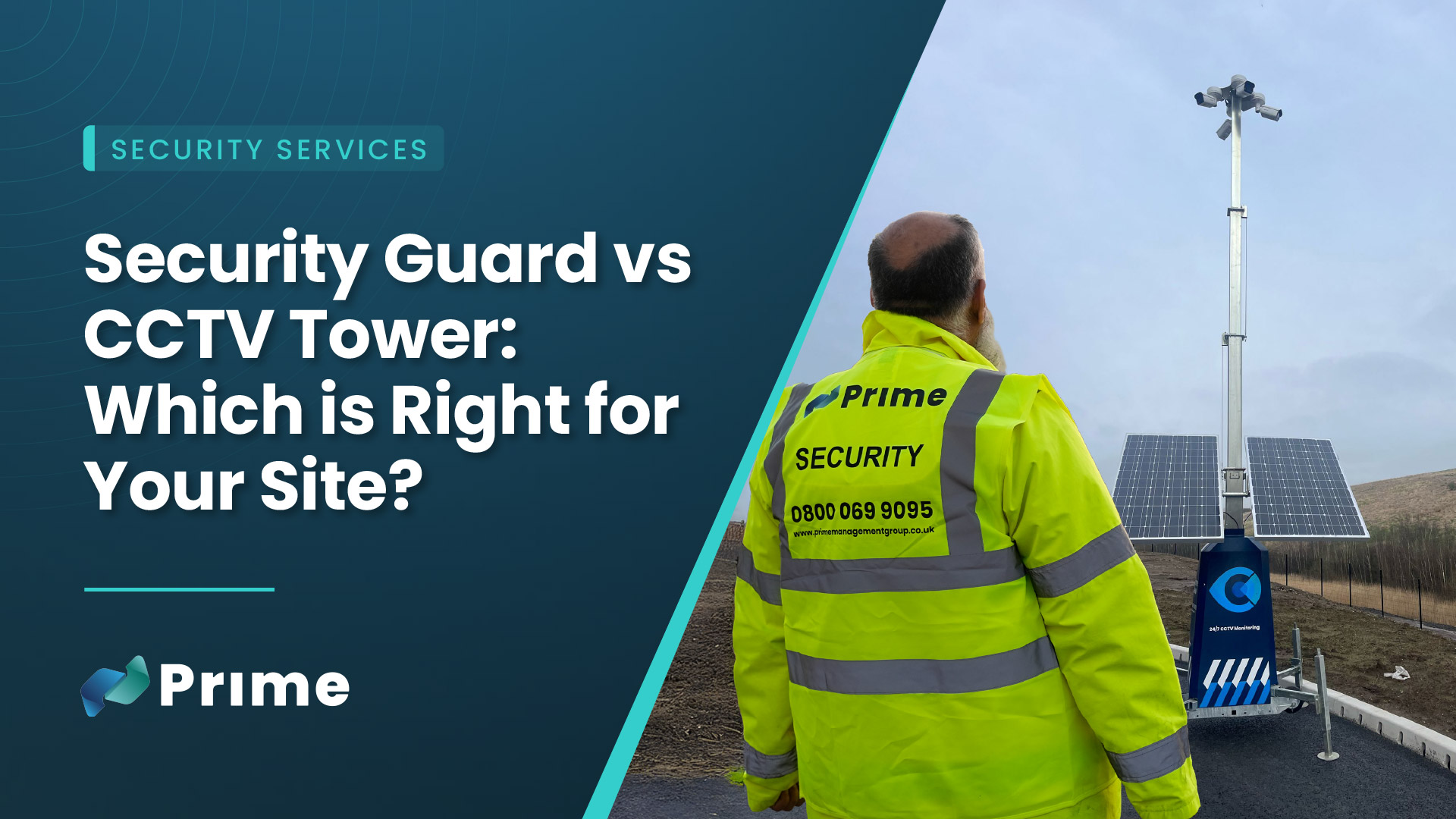
Manned Guarding remains one of the most powerful deterrents to crime. Uniformed security officers offer a visible, on-the-ground presence that discourages opportunistic thieves and vandals from targeting a site in the first place. More than just a static presence, professional guards can patrol the premises, perform checks on vulnerable access points, monitor activity in real time, and respond instantly to any incidents. Their ability to adapt to changing conditions and physically intervene when needed makes them a critical line of defence, especially during off-hours or in high-risk areas.
CCTV Towers
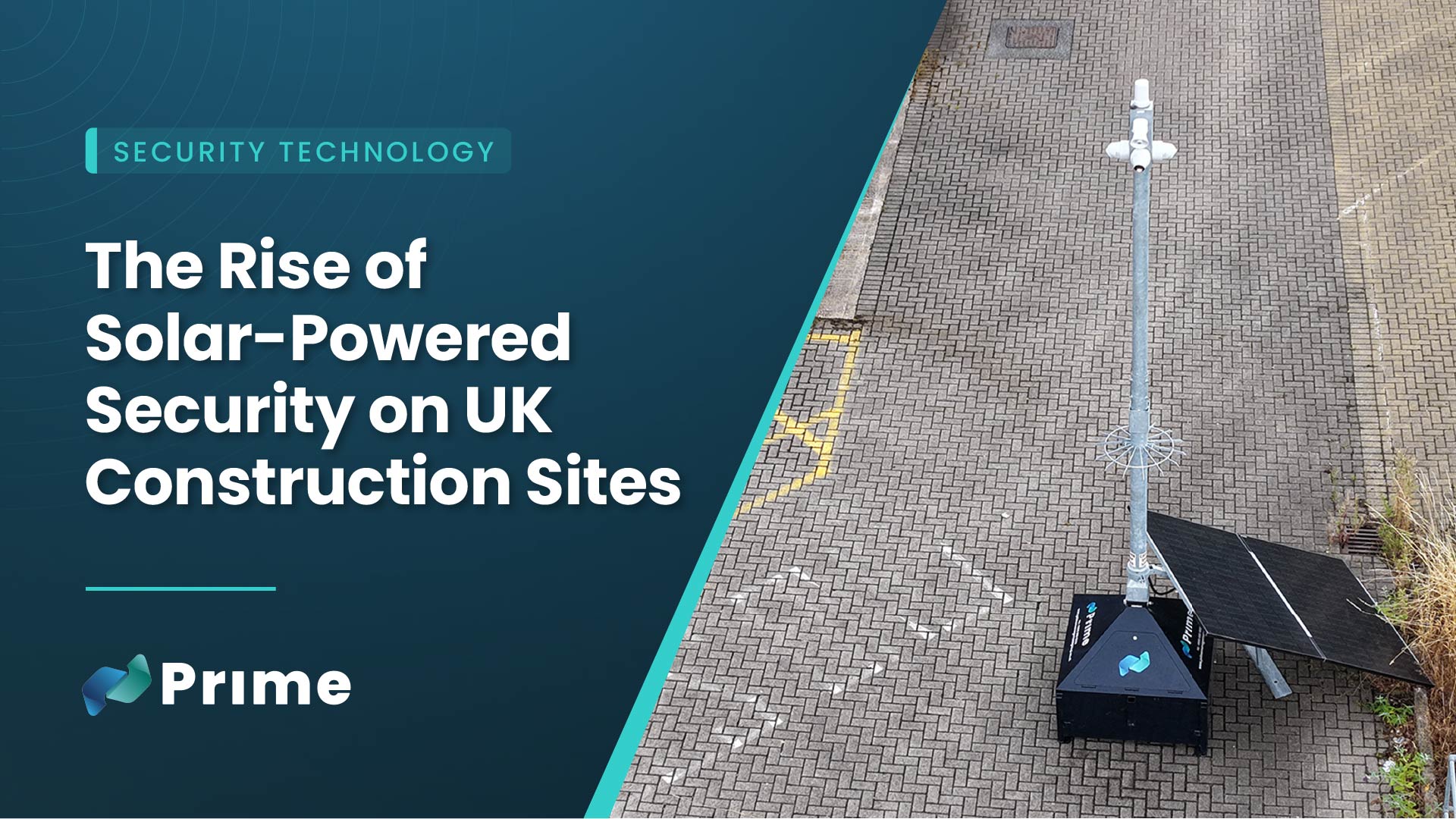
CCTV Towers are a highly adaptable and cost-effective solution for securing sites of any size, particularly those that are high-risk, remote, or lack access to mains power. These standalone units are designed to operate independently, often powered by solar energy or battery backup, making them ideal for early-stage developments or isolated areas where traditional infrastructure isn’t yet in place. Equipped with high-definition cameras, infrared night vision, and motion detection sensors, CCTV towers deliver 360-degree coverage and can be rapidly deployed or repositioned as the site evolves. Their elevated vantage point makes them especially effective at monitoring large areas, perimeter boundaries, and vulnerable zones such as fuel or equipment storage.
Remote CCTV Monitoring
Remote CCTV Monitoring takes visual surveillance a step further by linking site cameras to a professional control room, where trained operators watch for suspicious activity 24/7. Using smart analytics and motion detection, these systems can alert responders instantly when unauthorised movement is detected. This enables swift intervention, whether it’s dispatching a mobile security unit or notifying the police. Additionally, in the event of a crime, recorded footage also serves as valuable evidence for investigations and insurance claims.
Mobile Patrols
Mobile Patrols offer a dynamic layer of security for sites that span large areas or have multiple access points. Security teams carry out scheduled and ad-hoc patrols, inspecting the premises for signs of intrusion, tampering, or safety hazards. This unpredictability is key; would-be criminals can’t easily anticipate when or where a patrol might show up. Mobile patrols are especially useful for sites in remote or semi-rural areas where static security might be too costly or where on-foot patrols aren’t feasible.
Access Control Systems
Access Control Systems are vital for regulating who enters and exits a construction site. These systems can include everything from swipe card entry and biometric scanners to digital sign-in stations and turnstile gates. By ensuring that only authorised personnel are allowed on site, these solutions reduce the risk of theft, unauthorised access, and even liability incidents. Paired with proper perimeter fencing and gatehouse monitoring, access control helps create a secure and auditable work environment.
Security is a Strategic Investment
There is a clear financial and operational case for investing in site security. While some may view it as an additional overhead, the return on investment is measurable. Preventing a single theft can save tens of thousands of pounds in replacement costs, project delays, and increased insurance premiums.
More importantly, having a visible, professional security presence sends a message to workers, clients, and would-be criminals – that the site is taken seriously. This can improve morale, strengthen your brand, and build trust with stakeholders who value reliability and professionalism.
In an environment where overall crime rates remain high – the ONS Crime Survey recorded 9.5 million incidents of crime in England and Wales in the year ending September 2024 – security is no longer a luxury. It is an operational necessity.
Conclusion
Construction crime is a growing, persistent threat that affects companies large and small across the UK. But it is not an inevitability. With a tailored, professional approach to security, businesses can protect their assets, reduce disruption, and maintain continuity
If you’re managing a construction site, now is the time to act. Here at Prime, we provide a comprehensive range of security measures designed to meet the specific needs of each site we protect.
Contact us today for a free consultation and see how we can help you keep your projects on track and your assets safe.